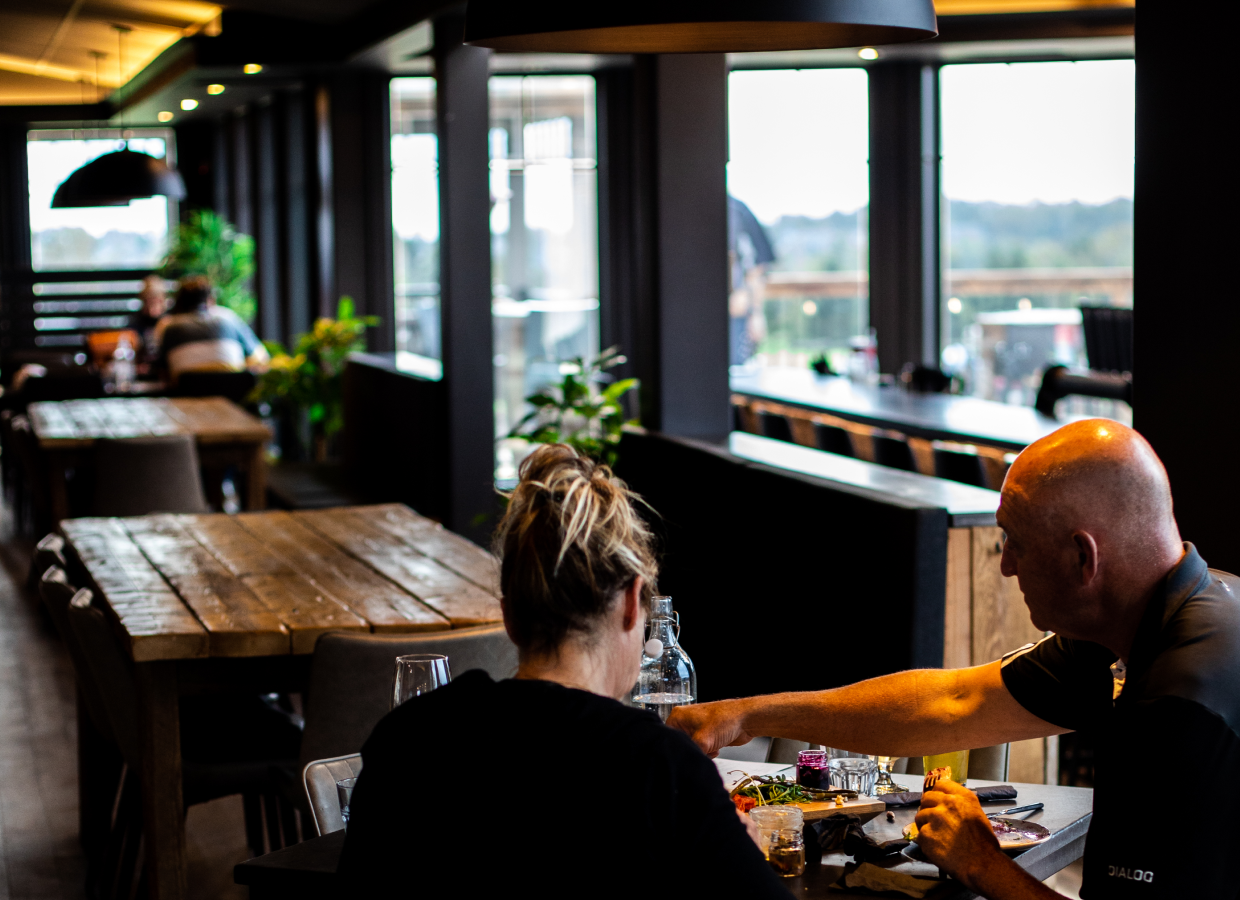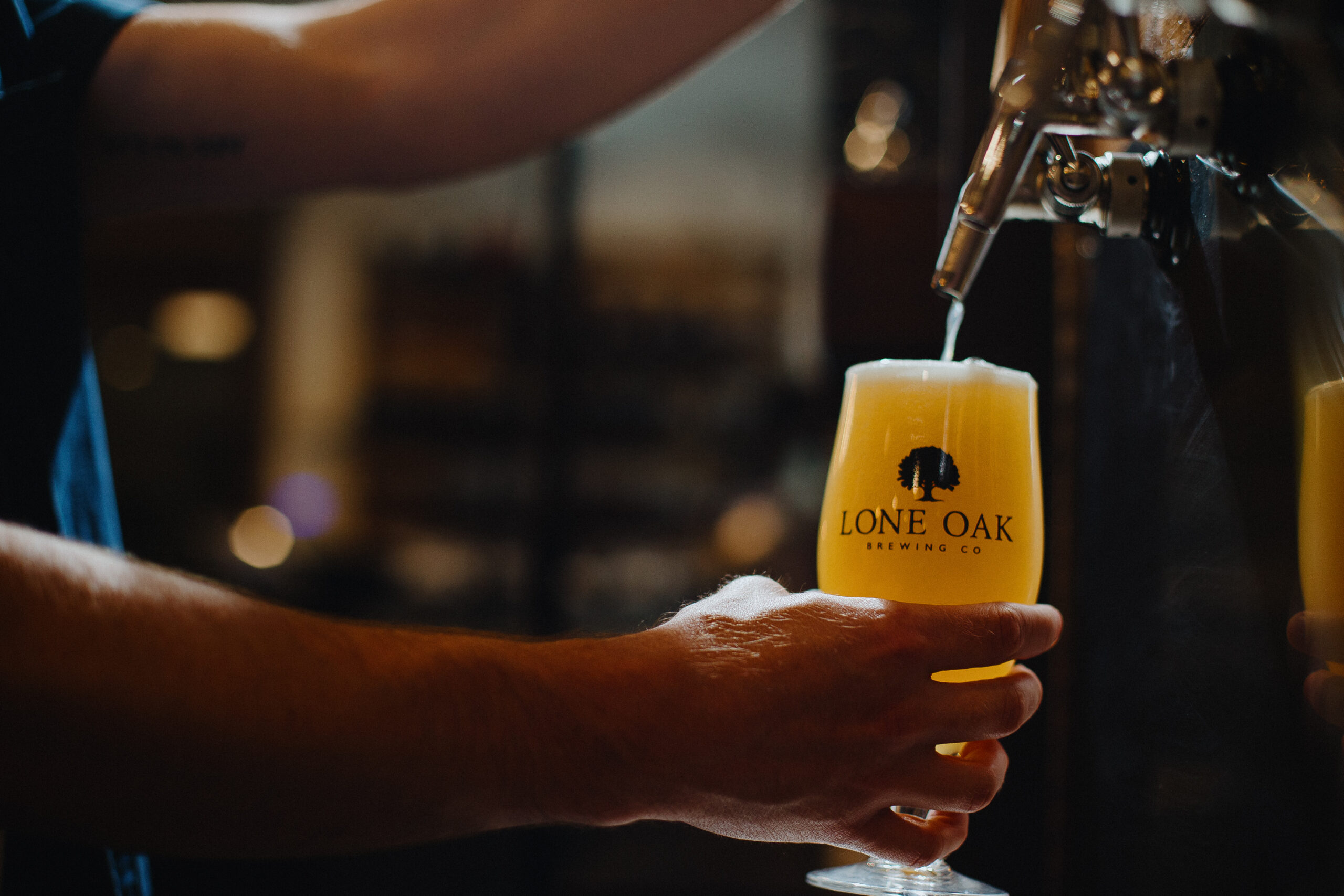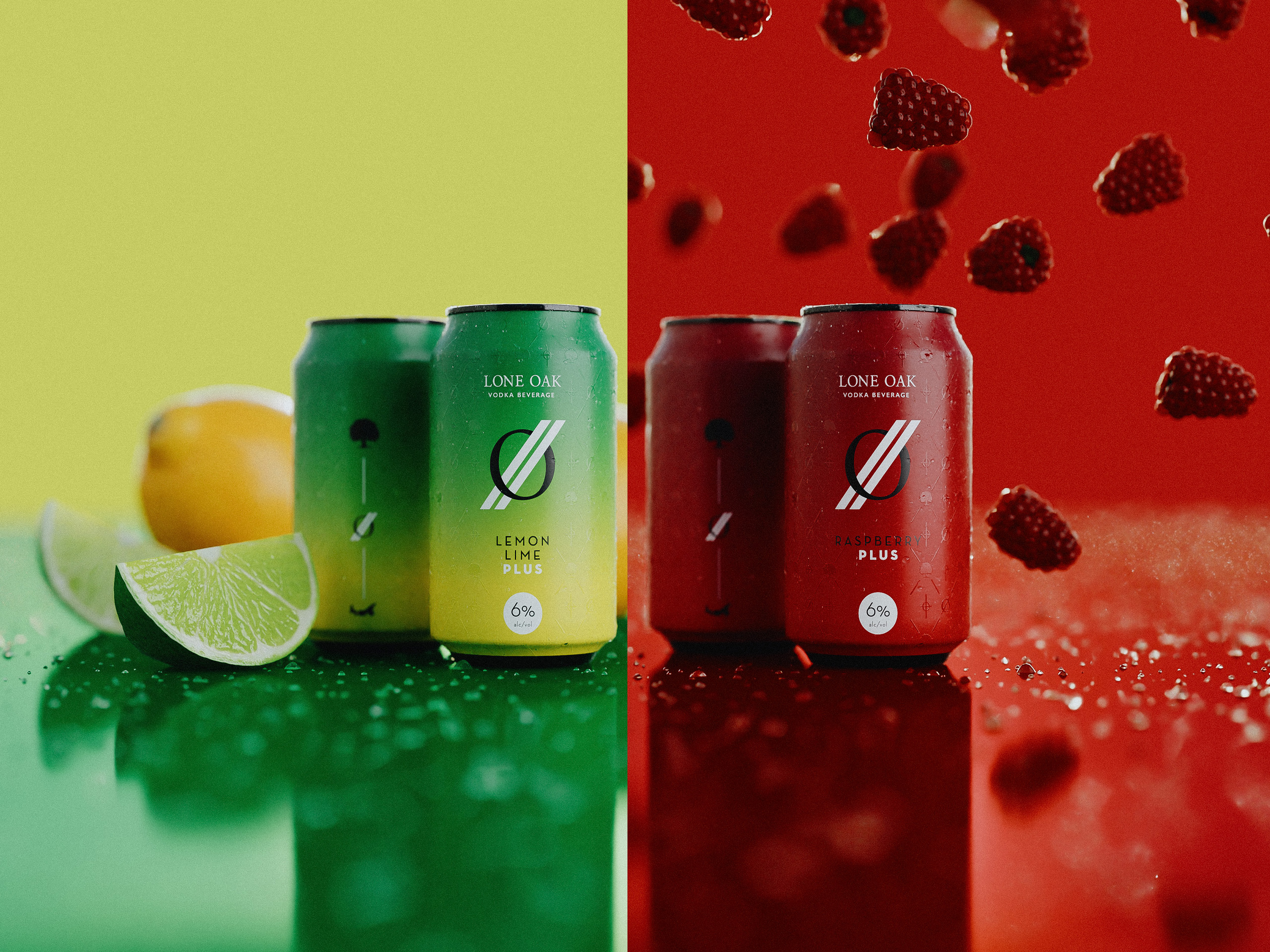
The canned drinks market on Prince Edward Island, and across Canada more broadly, has grown significantly in recent years. Where craft beer used to be the only locally made alternative to mainstream bottles, there are now canned cocktails, hard seltzers, canned wines, and a range of ready-to-drink products competing for the same occasion.
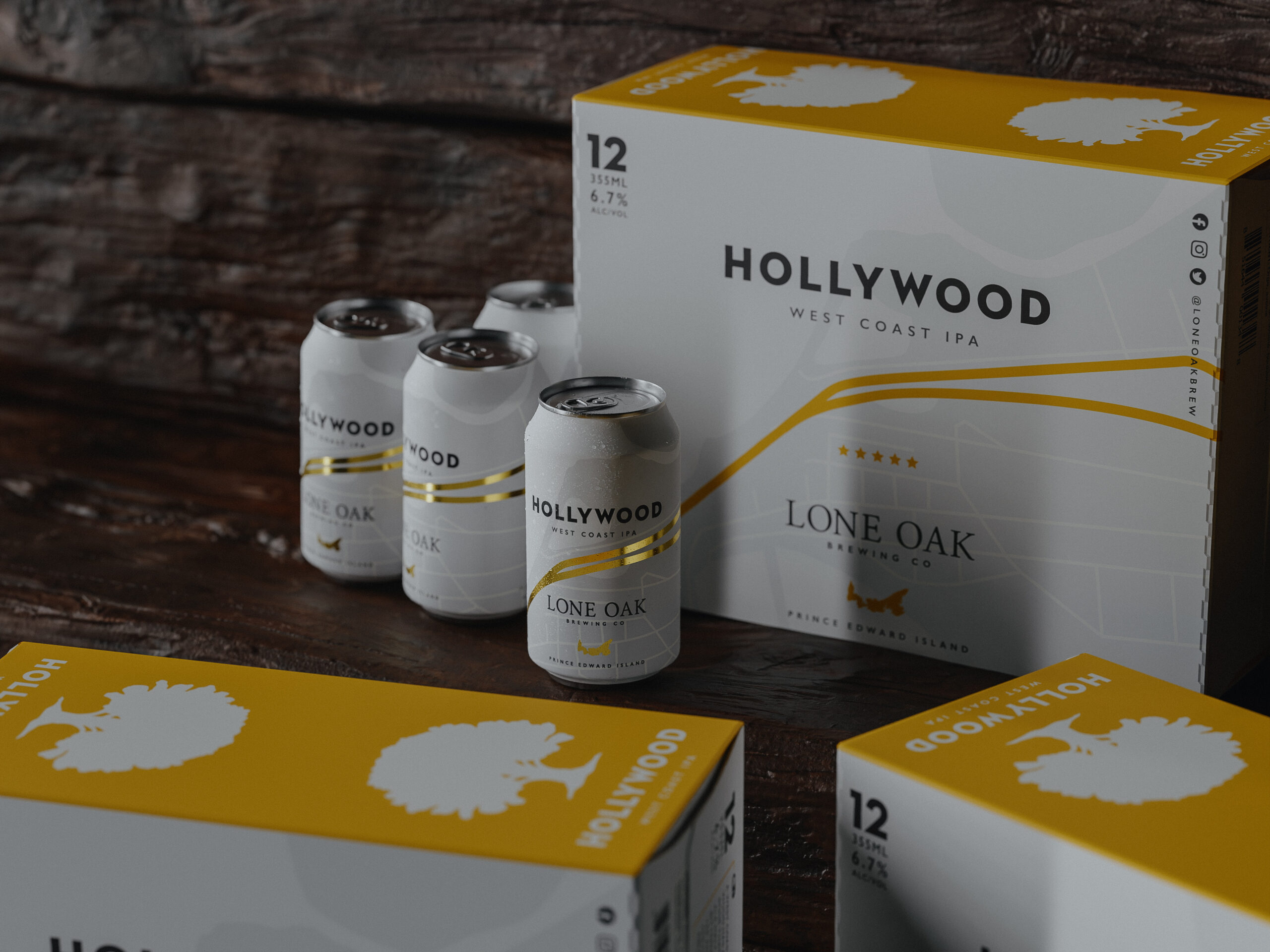
Most of them are not locally made. Most are produced by large national brands and distributed through the same channels as any other mainstream product. Lone Oak Brewing’s canned cocktails and hard seltzers are different: they are made on PEI, by the same team that produces the craft beer the brand has built its reputation on, and they reflect the same commitment to quality that defines everything Lone Oak makes.
If you have not tried Lone Oak’s canned range yet, this guide covers what it is, who it suits, and why it is worth choosing when the occasion calls for something cold, refreshing, and genuinely local.
What Are Hard Seltzers?
A hard seltzer is a lightly flavoured alcoholic sparkling water. The base is typically made by fermenting a simple sugar source, which produces a clean, neutral alcohol without the residual flavours that come from grain-based fermentation. Natural fruit flavours are then added to give the seltzer its character.
The result is a drink that is lighter in calories and carbohydrates than most beers, with a clean and refreshing flavour profile that sits much closer to sparkling water than to ale. Hard seltzers became popular because they fill a gap in the market: something cold and slightly alcoholic that is not as heavy as beer and not as sweet as a traditional cocktail.
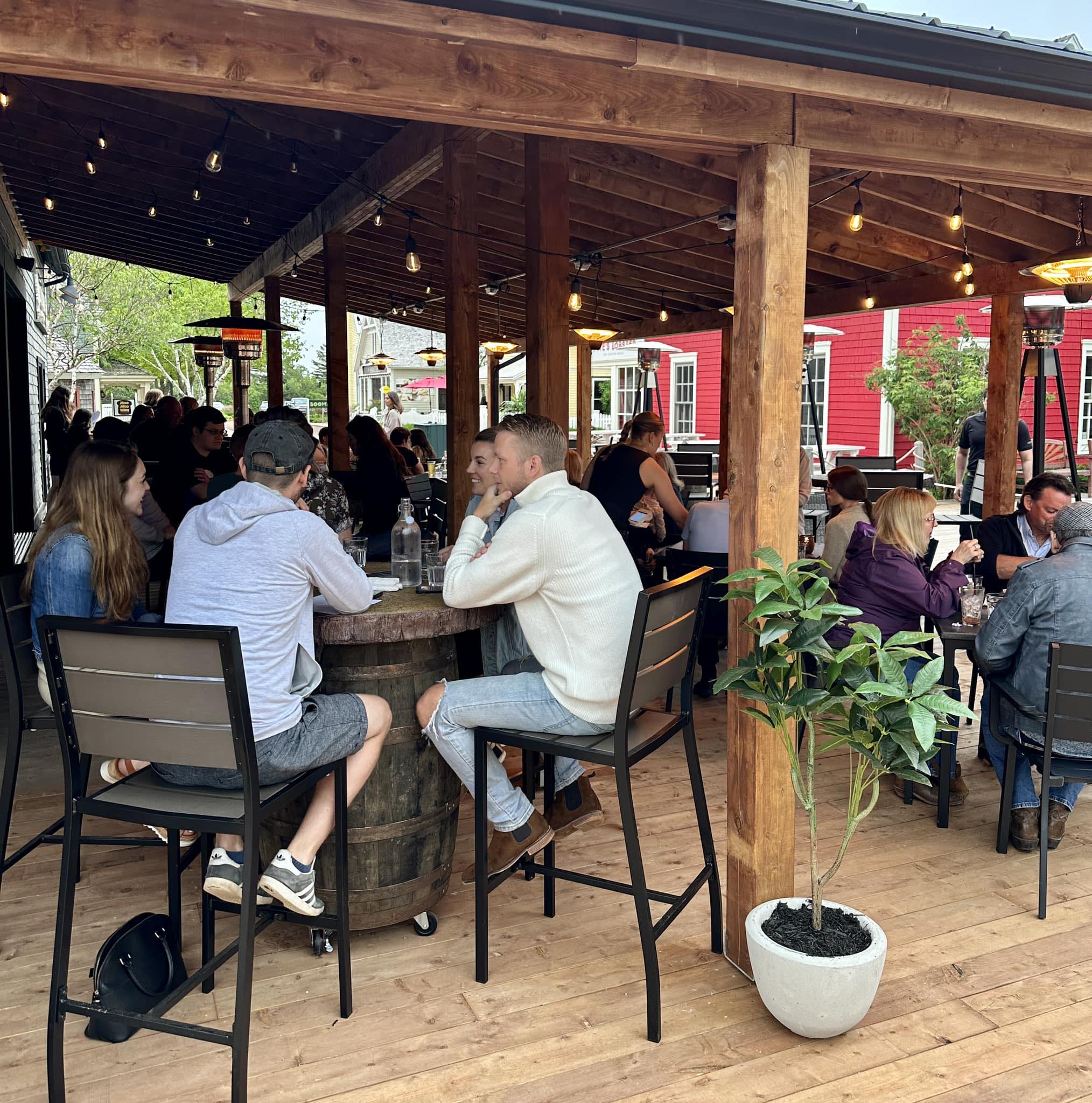
For warm-weather drinking, particularly in outdoor settings like the Lone Oak Beer Garden in Cavendish or the taproom patio in Borden-Carleton, a well-made hard seltzer is often the right call.
What Are Canned Cocktails?
A canned cocktail is a pre-mixed alcoholic drink packaged in a can, ready to open and drink without any additional mixing or preparation. The spirit base, the mixer, and any flavourings are combined in the can at the right ratios, which means the experience of a well-made cocktail without the need for equipment, skill, or a bar.
The quality of canned cocktails varies enormously. At the low end, they can taste artificial and unbalanced. At the high end, they are indistinguishable from a properly made mixed drink and reflect genuine care in the recipe development.
Lone Oak’s approach to the canned cocktail range follows the same logic as their approach to brewing: start with good ingredients, apply craft to the process, and produce something that reflects the Island rather than imitating what a national brand might make from a facility in Ontario.
| “Locally made, ready to drink, genuinely crafted. Lone Oak’s canned range is the alternative to the national brands that actually belongs on Prince Edward Island.” |
Why Locally Made RTD Products Matter
The ready-to-drink canned beverage market is crowded. Walk into any PEILCC store on the Island and you will find dozens of options from brands produced in large facilities across Canada and beyond. Most are fine. None of them are made here.
Lone Oak’s canned range is made on Prince Edward Island. That matters for the same reasons that locally brewed beer matters: the revenue stays on the Island, the product reflects the character of where it comes from, and the people making it are your neighbours rather than anonymous employees of a national corporation.
When you choose a Lone Oak hard seltzer or canned cocktail over a national brand at the PEILCC, you are making a small but meaningful decision in favour of the local economy and the local food and drink culture. That is worth knowing, even if it is not the primary reason you pick it up off the shelf.
When to Reach for a Lone Oak Canned Drink
Lone Oak’s canned range suits a specific set of occasions particularly well, and understanding those occasions helps you get the most from the product.
After the beach: A cold hard seltzer after a day at Cavendish or Brackley is one of the most naturally satisfying combinations on a PEI summer afternoon. Light, refreshing, and easy to drink without food.
For guests who do not drink beer: When a group includes people who prefer something lighter or less bitter than craft ale, the Lone Oak seltzer range gives everyone at the table a locally made option without anyone having to default to a mainstream mainstream brand.
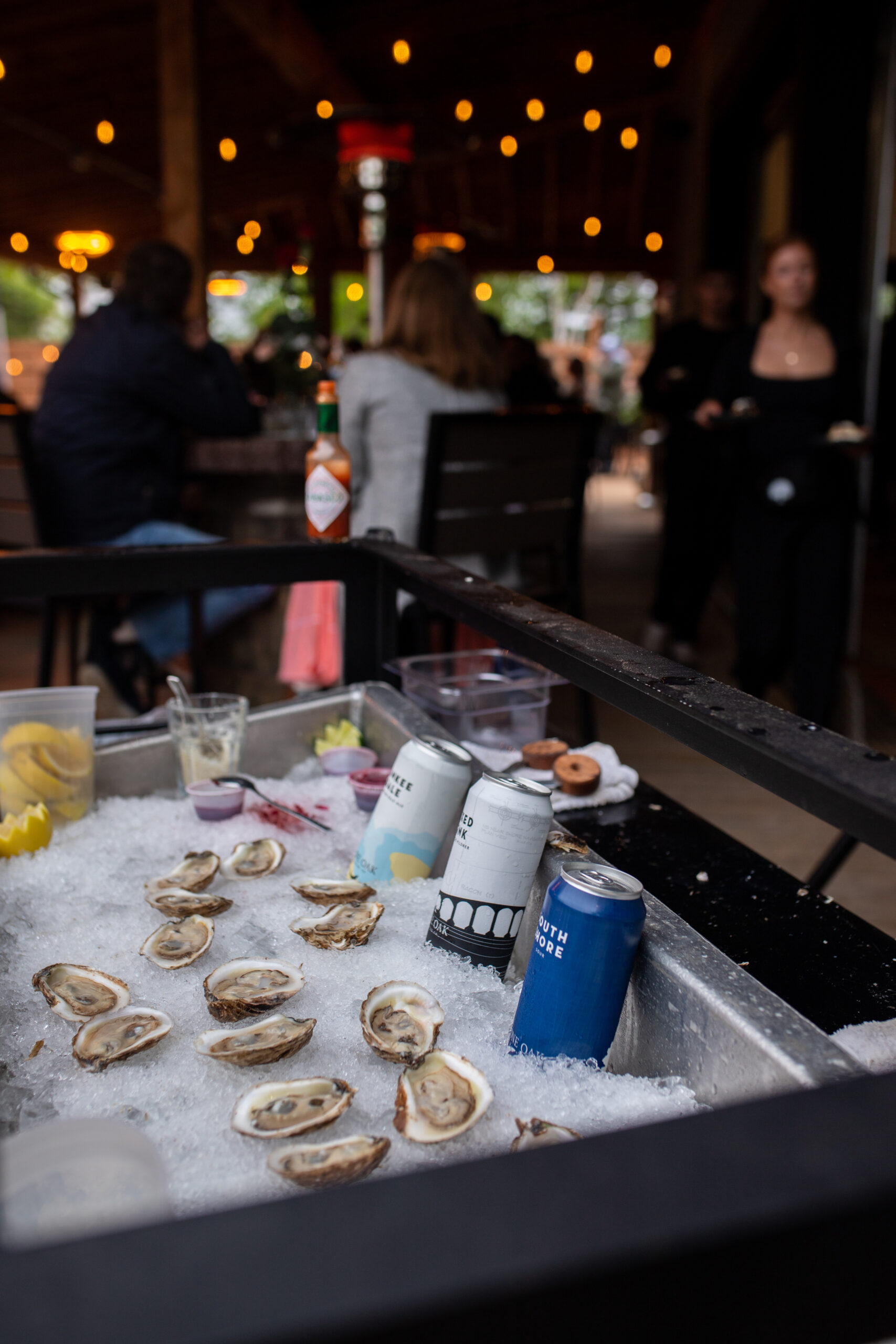
At outdoor events: The Lone Oak Beer Garden, the taproom patio in Borden-Carleton, and any outdoor occasion during PEI’s summer months are natural settings for a canned drink. Easy to hold, easy to manage without a glass, and well-suited to warm-weather socializing.
As a lower-calorie option: Hard seltzers are lower in calories and carbohydrates than most beers. For guests who are tracking intake without wanting to default to a soft drink, they are the most practical option in the Lone Oak range.
Lone Oak Canned Range: Quick Reference
Available at: all five Lone Oak locations across PEI and at PEILCC stores Island-wide
Hard seltzers: light, flavoured, lower calorie, non-beer alternative
Canned cocktails: pre-mixed, spirit-based, ready to drink
Made on PEI by the Lone Oak Brewing team
Current promotion: check loneoakbrew.com for active offers
Best served: cold, ideally from an ice-cold fridge or cooler
How the Lone Oak Canned Range Compares to National Brands
The honest answer is that Lone Oak’s canned range competes on provenance as much as on flavour. The national brands have bigger marketing budgets, wider distribution, and more shelf space. What they do not have is a connection to Prince Edward Island.
For visitors who want every drink of their PEI trip to be local, the choice is straightforward. For locals who already support Lone Oak’s brewing program, extending that support to the canned range is a natural continuation of the same values.
The product itself holds up. Lone Oak does not make anything carelessly, and the canned range reflects the same quality discipline that Spencer Gallant brings to the brewing program. Try one before deciding it is not for you. Most people who make that decision are pleasantly surprised.
Frequently Asked Questions
What is a hard seltzer?
A hard seltzer is a lightly flavoured alcoholic sparkling water made by fermenting a sugar base and adding natural fruit flavours. It is lower in calories and carbohydrates than most beers, with a clean and refreshing character that suits warm-weather drinking. Lone Oak Brewing produces hard seltzers locally on Prince Edward Island.
What are canned cocktails?
A canned cocktail is a pre-mixed alcoholic drink packaged in a can, combining a spirit base with mixers and flavourings in the correct proportions for a ready-to-drink experience. Lone Oak Brewing’s canned cocktails are made on PEI as part of the brand’s ready-to-drink range.
Are Lone Oak canned drinks available at PEILCC stores?
Yes. Lone Oak’s canned range including hard seltzers and canned cocktails is available at PEILCC stores across Prince Edward Island, as well as at all five Lone Oak locations including the taproom in Borden-Carleton, the Charlottetown locations, Fox Meadow in Stratford, the Beer Garden in Cavendish, and the Brewpub Cavendish.
Are Lone Oak hard seltzers gluten-free?
Hard seltzers are typically produced from a fermented sugar base rather than grain, which means they are generally suitable for guests avoiding gluten. Check with your server at any Lone Oak location or contact the team through loneoakbrew.com to confirm the gluten status of specific products.
How many calories are in a Lone Oak hard seltzer?
Hard seltzers are generally lower in calories than comparable volumes of beer, typically around 100 calories per can depending on the ABV and flavour. Check the product label for the specific nutritional information on Lone Oak’s canned range.
What is the difference between a hard seltzer and a canned cocktail?
A hard seltzer is a lightly flavoured alcoholic sparkling water with a neutral spirit base. A canned cocktail is a pre-mixed drink using a specific spirit (such as vodka, rum, or gin) combined with mixers to create a flavour that resembles a traditional cocktail. Both are ready to drink directly from the can.