
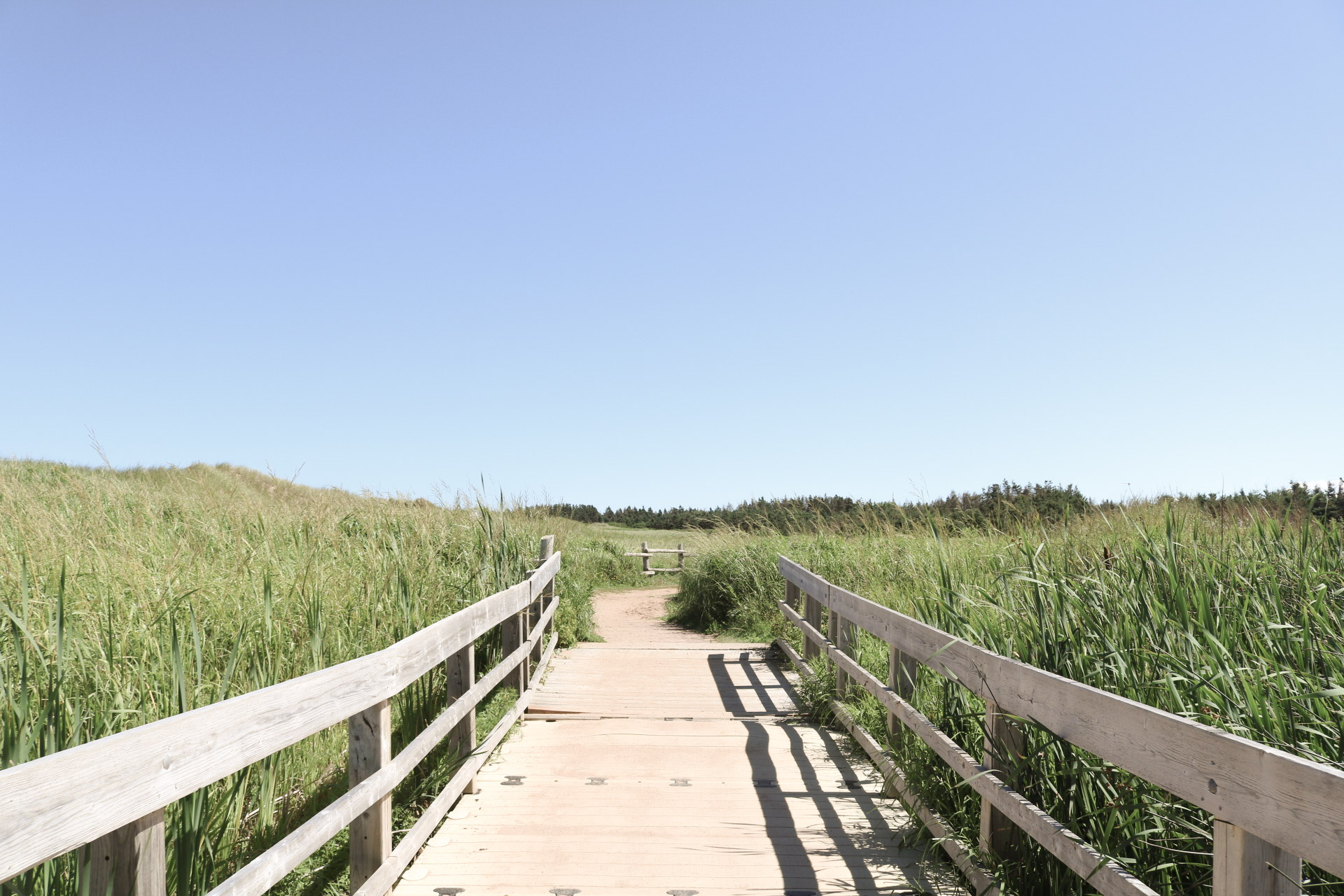

Prince Edward Island has a way of exceeding expectations. Visitors who arrive expecting a quiet, pleasant Maritime province often leave with it sitting near the top of their list of best places they have been in Canada. The beaches are better than anticipated. The food is genuinely excellent. The pace is slower in a way that feels deliberate rather than dull. And the Island is compact enough that a week here can cover an impressive amount of ground without feeling rushed.
If you are visiting PEI for the first time, this guide covers the best things to do across the Island, from the moment you cross the Confederation Bridge to the moments worth lingering over before you leave.
1. Cross the Confederation Bridge and Stop at Gateway Village
Most visitors arrive in PEI via the Confederation Bridge, the 12.9-kilometre fixed link that crosses the Northumberland Strait from Cape Jourimain in New Brunswick. The bridge itself is worth experiencing for what it is: one of the longest bridges over ice-covered water in the world, with a crossing that takes about ten minutes and offers views across the strait that give you an immediate sense of arriving somewhere distinct.
Gateway Village in Borden-Carleton sits right at the Island end of the bridge and is the natural first stop. It is more than a service area: there are local shops, restaurants, and the Lone Oak Brewery Taproom, which is one of the best introductions to PEI’s local food and drink scene available within minutes of arrival. A cold locally brewed beer after the bridge, with the Island ahead of you, is a genuinely good way to start a trip.
Do not feel obligated to rush through to Charlottetown. Gateway Village earns a proper stop, and the Borden-Carleton area has a relaxed, unhurried quality that sets the tone well for the rest of the Island.
| “The Confederation Bridge is the gateway to PEI, and Gateway Village is where the Island starts to reveal itself. Take the stop seriously.” |
2. Spend a Day in Charlottetown
Charlottetown is the capital of Prince Edward Island and the Birthplace of Confederation, the city where the 1864 conference that led to the creation of Canada took place. That history is visible in the architecture, accessible in Province House (free to visit, with guided tours by Parks Canada), and woven into the character of a downtown that takes its past seriously without being consumed by it.
The city is genuinely walkable. The historic core, the waterfront at Confederation Landing and Peakes Wharf, Victoria Row, and the shopping and dining district along Queen and Water streets are all connected on foot. Give Charlottetown a full day rather than a few hours in passing, and it will show you considerably more.
For food, Charlottetown’s restaurant scene is one of the best in Atlantic Canada relative to the city’s size. The Water Prince Corner Shop is the go-to for fresh PEI seafood at honest prices. For a sit-down dinner with locally brewed beer, the Lone Oak Brewpub at 15 Milky Way offers a full menu in a setting that feels genuinely local rather than tourist-facing.
For drinks and the city’s social evening, Great George Street is the right address. The downtown bar scene along this stretch gives Charlottetown a livelier evening energy than most visitors expect.
3. Visit the Beaches
The beaches on PEI’s north shore are among the best in Atlantic Canada, and for many visitors they are the primary reason for the trip. Cavendish Beach, within Prince Edward Island National Park, is the most famous: wide white sand, warm water, and dramatic dunes. A national park pass is required for access and worth buying if you plan to visit more than one day.
Brackley Beach, also within the national park, offers a similar quality of sand and water with a quieter atmosphere. Greenwich, in the eastern section of the park, requires a short walk through a remarkable parabolic dune system and rewards the effort with a beach that feels entirely its own.
Basin Head in eastern PEI is known as the singing sands beach for the distinctive sound the high-silica sand makes underfoot. It is a provincial park and free to access, and the tidal pool swimming area makes it particularly suited to families.
The south shore beaches, including Argyle Shore and the stretches near Victoria by the Sea, have the Island’s most dramatic red sand and cliffs. The water is slightly cooler here than the north shore, but the colour of the landscape is unlike anything else.
4. Experience the Food Scene
Prince Edward Island has one of the most celebrated food identities in Canada for a province of its size. The Island is the country’s largest producer of potatoes. The mussels and oysters are some of the finest in the world. The lobster is exceptional and seasonal. And a growing number of chefs and food producers have built a local food culture that goes well beyond the traditional staples.
A few things worth prioritizing on a first visit:
A lobster supper: The traditional PEI lobster supper is available at several venues across the Island, with New Glasgow Lobster Suppers and St. Ann’s being the most established. These are not fancy dining experiences, but they are genuinely excellent and deeply tied to the Island’s food identity.
Fresh oysters: PEI oysters are available at restaurants across the Island and at the source at several producers. Colville Bay, Malpeque, and Lucky Limes are some of the better-known varieties. Trying them in the place they are grown is one of those experiences that makes a difference.
Local craft beer: Lone Oak Brewing, with locations across the Island, produces craft beer from PEI that is widely available at restaurants, PEILCC stores, and the brewery’s own venues. It is a good local alternative to the mass-produced options and genuinely worth ordering wherever you are.
5. See Green Gables and the Literary Landscape
Anne of Green Gables, L.M. Montgomery’s beloved novel, was set on Prince Edward Island and continues to draw visitors from across the world who grew up with the books. The Green Gables Heritage Place in Cavendish, part of the national park, is the farmhouse that inspired the setting and is a well-managed, genuinely interesting site even for visitors who are not particularly familiar with the story.
The broader landscape of the Cavendish and Kensington area has a quality that makes the literary connection easy to understand. The red roads, the green fields, and the way the land rolls down toward the sea create a pastoral setting that has barely changed since Montgomery’s time. Whether or not you are a fan of the books, it is a particularly beautiful part of the Island.
| “PEI’s literary landscape is one of those places where the setting makes the story make sense. Even visitors who have never read Anne of Green Gables tend to understand why it was set here.” |
6. Explore Beyond Charlottetown
PEI’s three scenic drives, the Blue Heron Drive, the Points East Coastal Drive, and the Confederation Trail cycling route, are designed to take visitors through the parts of the Island that are not on the main highway. They are worth following, at least in part, because they reveal the agricultural and coastal landscape that defines PEI in a way that the Trans-Canada does not.
Summerside, the Island’s second city, is about 45 minutes west of Charlottetown and has a pleasant waterfront and a quieter, more everyday version of Island life than the tourist-oriented Charlottetown experience. The Eptek Art and Culture Centre and the Harbourfront Theatre make it a worthwhile half-day stop.
The eastern end of the Island, through Kings County, has a different character from the north shore: quieter roads, smaller communities, and the kind of landscape that makes it easy to understand why people come to PEI for the solitude as much as the scenery.
7. Make Time for Cavendish in Summer
If you are visiting PEI between June and September, Cavendish deserves dedicated time. The combination of the national park beach, Green Gables, the golf courses, and the general energy of the north shore during peak season makes it one of the most complete summer destinations in Atlantic Canada.
Avonlea Village in Cavendish is a good base for an afternoon or evening in the area. The Lone Oak Beer Garden at Avonlea Village is an outdoor venue with local craft beer on tap and live music on Thursday evenings, and it fits naturally at the end of a beach day in a way that a more formal restaurant does not.
Practical Information for First-Time Visitors to PEI
PEI First-Time Visitor Quick Facts
– Getting there: Confederation Bridge from New Brunswick (10 min drive), or ferry from Pictou, NS to Wood Islands.
– Getting around: A car is strongly recommended. Public transit is limited outside Charlottetown.
– Best time to visit: June through September for beaches, patios, and full tourism season. July and August are at their peak.
– Weather: PEI summers are warm (20–28°C) with cool evenings. Bring a layer for evenings and rainy days.
– Currency: Canadian dollars. Most businesses accept credit cards.
– Language: English throughout the Island. French-speaking communities in the west.
– National Park Pass: Required for Cavendish, Brackley, and Greenwich beaches. Buy at pc.gc.ca.
– Local beer: Lone Oak Brewing at loneoakbrew.com. Five locations across the Island.
One final note: PEI rewards slowing down. The temptation on a first visit is to see as much as possible in the available time. The visitors who tend to leave the Island happiest are those who built in enough unscheduled time to discover things for themselves: a farm stand on a back road, a beach that was not in the guidebook, a conversation with someone who has lived on the Island their entire life. That kind of discovery is part of what PEI offers, and it requires leaving room in the itinerary for it to happen.
Frequently Asked Questions About Visiting PEI for the First Time
What are the best things to do in PEI for first-time visitors?
For a first visit to Prince Edward Island, the essential experiences include crossing the Confederation Bridge and stopping at Gateway Village, spending a full day in Charlottetown including Province House and the waterfront, visiting at least one north shore beach (Cavendish, Brackley, or Greenwich), eating fresh PEI seafood including lobster and oysters, and exploring the Green Gables Heritage Place in Cavendish. The Island’s three scenic drives are worth following in part for the pastoral landscape they reveal.
How long do you need to visit PEI?
A minimum of four to five days allows a first-time visitor to see Charlottetown, the north shore beaches, and the Cavendish area with time to slow down. A full week is better and allows for exploration of the eastern and western ends of the Island. Many visitors find that PEI rewards a slower pace than they initially planned for.
What is PEI most famous for?
Prince Edward Island is most famous for its red sand beaches, Anne of Green Gables (the novel by L.M. Montgomery and the heritage site in Cavendish), lobster and seafood, and the Confederation Bridge. The Island is also known as the Birthplace of Confederation, as the 1864 Charlottetown Conference that led to the creation of Canada took place there.
Is PEI worth visiting?
Yes. Prince Edward Island is consistently rated among the best summer destinations in Canada and frequently cited by visitors as one of the most memorable trips they have taken. The combination of exceptional beaches, a strong food and drink scene, rich history, and a pace of life that is genuinely different from major urban centres makes it worth visiting for a wide range of travellers.
What is the best time of year to visit Prince Edward Island?
The best time to visit PEI is from late June through early September, when the beaches are warm enough to swim, the full range of restaurants and attractions are open, and the Island is at its most vibrant. July and August are peak season with the warmest weather. June and September are quieter and can offer a more relaxed version of the same experience.
Do you need a car to visit PEI?
Yes, a car is strongly recommended for visiting Prince Edward Island. The Island’s beaches, scenic drives, and most attractions outside of downtown Charlottetown are not accessible by public transit. Charlottetown itself is walkable once you arrive, but getting between locations across the Island requires a vehicle.
What local food should I try in PEI?
The essential local foods to try on Prince Edward Island are fresh lobster (ideally at a traditional lobster supper), PEI mussels and oysters, Island potatoes, and locally brewed craft beer. Lone Oak Brewing, with five locations across PEI, is one of the most widely available and well-regarded local craft beer options on the Island.