
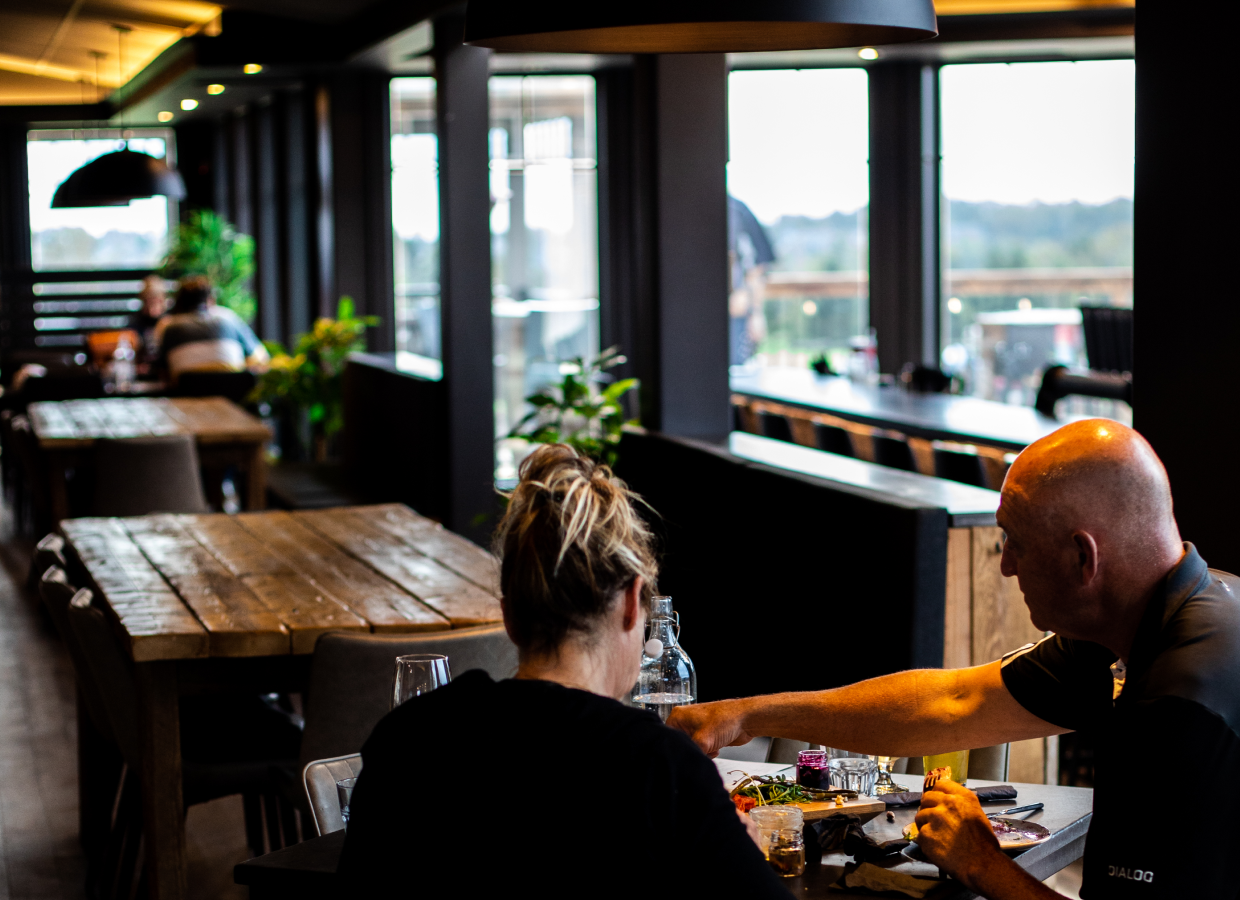

Eating out with dietary restrictions can make even a casual meal feel complicated. One person is gluten-free. Someone else is vegetarian. Another guest has an allergy. A friend wants local beer, but someone at the table does not drink beer at all. Suddenly the question is no longer “Where should we eat?” It becomes “Where can everyone actually feel comfortable ordering?”
This guide is designed to help guests understand Lone Oak dietary restrictions before they visit. It covers how to think about gluten-free alternatives, vegetarian-friendly dishes, non-beer drink options, kitchen modifications, allergies, and group planning. It is not a substitute for speaking with staff, and it should not be treated as a medical or allergen guarantee. Menus, ingredients, suppliers, and kitchen practices can change.
What it can do is remove some of the hesitation. Lone Oak’s full-service restaurant experience, locally brewed beer program, and group-friendly setup are already designed for different tastes at the same table. The Brewpub, for example, is positioned as a full-service restaurant with starters, mains, desserts, a patio, local beer on tap, and a setting that works well for groups and varied preferences. That makes it a practical fit for mixed tables, as long as guests ask the right questions before ordering.
“The best dietary-restriction dining experience starts before the first order. Tell the team what you need, ask what can be modified, and choose the location that fits the group’s comfort level.”
Start With the Most Important Question
Before looking at the menu, start with the dietary need that matters most. There is a big difference between a preference, an intolerance, a strict dietary restriction, and a severe allergy.
If someone avoids gluten by preference, they may be comfortable choosing naturally gluten-light or gluten-free-leaning items and avoiding obvious breaded dishes. If someone has celiac disease or a severe allergy, they need a much more careful conversation about ingredients, preparation surfaces, fryers, sauces, and cross-contact. The same is true for dairy, nuts, shellfish, soy, eggs, or other allergens.
The safest approach is direct and specific. Instead of asking, “Is this gluten-free?” ask, “Is this dish made without gluten ingredients, and is there a risk of cross-contact in the kitchen?” Instead of asking, “Can this be vegetarian?” ask, “Can this be made without meat or seafood, and what substitutions are available today?”
Dietary Need Quick Guide
| Need | Best First Step |
| Gluten-free preference | Ask which dishes can be made without gluten ingredients |
| Celiac disease | Ask about cross-contact, fryers, sauces, and preparation surfaces |
| Vegetarian | Ask which dishes are vegetarian or can be modified |
| Vegan | Ask about dairy, egg, honey, sauces, and substitutions |
| Food allergy | Tell staff clearly before ordering and ask about kitchen procedure |
| Mixed group | Choose a location with a full menu and enough range for different tastes |
Gluten-Free at a Brewery, What to Know
Gluten-free searches are especially important for breweries because beer is usually made from grains that contain gluten. Traditional beer is not gluten-free unless it is specifically made and verified that way. That means guests searching for a “gluten-free brewery PEI” usually need two kinds of information: what they can drink and what they can eat.
At Lone Oak, guests should ask what gluten-free drink alternatives are available at the location they are visiting. Depending on the location and current menu, that may include seltzers, cocktails, cider-style alternatives, wine, spirits, or non-alcoholic options. Availability can change, so this section should be verified before publishing with the current drink list.
For food, gluten-free dining depends on ingredients and preparation. Some menu items may be naturally made without gluten ingredients. Others may be modifiable. Some dishes may not be suitable because of breading, buns, sauces, shared fryers, or prep surfaces.
This is where careful language matters. The article should not claim that a dish is celiac-safe unless Lone Oak has confirmed that through current kitchen policy. Instead, the article should guide guests to ask staff before ordering.
“At a brewery, gluten-free planning is about more than skipping beer. Ask about drink alternatives, sauces, fryers, breading, buns, and cross-contact before deciding what feels safe for your needs.”
Gluten-Free Drink Alternatives
Not every visitor to Lone Oak needs or wants beer. Some guests may avoid gluten, some may not enjoy beer, and some may simply want something lighter or different. That makes gluten-free drink alternatives an important part of the guest experience.
The exact drink options should be confirmed before publishing and updated by location. In general, a helpful article should point guests toward asking about:
| Option Type | Why It Helps |
| Seltzers | Often a lighter alternative for guests who do not want beer |
| Cocktails | Useful at locations with a broader bar program |
| Wine | Familiar option for non-beer drinkers |
| Spirits | May work for guests avoiding beer, depending on preference |
| Non-alcoholic drinks | Important for drivers, families, and non-drinkers |
| Current specials | Good to ask about because menus and availability change |
The Oak Downtown may be especially relevant for guests looking for cocktails and social drinks, while the Brewpub may be more relevant for guests combining dinner with non-beer alternatives. The Taproom may be more beer-focused, so guests with strict gluten-free needs should check current options before visiting.
Vegetarian-Friendly Dining at Lone Oak
Vegetarian dining is usually easier to navigate than severe allergen dining, but it still helps to ask clear questions. Some dishes may be vegetarian as written. Others may be easy to modify by removing meat or seafood, changing a sauce, or substituting a side.
A group-friendly restaurant should make it possible for vegetarian guests to participate in the meal without feeling like an afterthought. The Brewpub’s existing positioning as a full-service dining destination with starters, mains, and desserts gives this article a good foundation, but final menu claims should be verified against current offerings before publication.
Guests should ask which dishes are vegetarian today, whether any specials are vegetarian-friendly, and which items can be modified without losing the point of the dish. If a dish depends heavily on meat or seafood, it may be better to choose something designed to work without it rather than asking the kitchen to remove the main ingredient.
Questions Vegetarian Guests Can Ask
| Ask This | Why It Helps |
| “Which dishes are vegetarian as written?” | Finds the easiest options first |
| “Can this be made without meat or seafood?” | Identifies flexible dishes |
| “Are the sauces or stocks vegetarian?” | Avoids hidden animal ingredients |
| “Are any specials vegetarian today?” | Captures current options |
| “What side would you recommend with this?” | Helps build a full meal |
Vegan Dining, Ask Before You Order
Vegan dining requires more specific questions because dairy, eggs, honey, sauces, dressings, butter, mayo, cheese, and shared preparation details can all matter. A dish that looks plant-based on the menu may still include an ingredient that is not vegan.
Guests looking for vegan options should ask staff what can be made fully plant-based with the current menu. It is also worth asking whether modifications are practical during the time of visit. A quiet weekday lunch may allow for more conversation than a very busy Saturday dinner.
The tone should be reassuring but honest: Lone Oak may be able to accommodate some vegan requests depending on the dish and current menu, but guests should confirm options before they arrive or before ordering.
Allergies and Cross-Contact
Food allergies need a direct conversation with the restaurant team. This article should not promise allergen-free dining, because restaurants that prepare many ingredients in one kitchen may have cross-contact risks. The better approach is to help guests know what to ask.
If a guest has a severe allergy, they should call ahead or speak to a manager or server before ordering. They should name the allergen clearly, explain the severity, and ask whether the kitchen can safely accommodate the request. They should also ask about shared fryers, shared prep surfaces, sauces, marinades, garnish, and any hidden ingredients.
For parents planning with children, this step matters even more. A quick call before visiting can make the meal easier and reduce uncertainty at the table.
“A good restaurant wants to know about allergies before the order goes in. The clearer the guest is, the better the team can explain what is possible, what is risky, and what should be avoided.”
How Flexible Is the Kitchen With Modifications?
Kitchen flexibility depends on the dish, the location, the time of day, and how busy the restaurant is. Some modifications are simple, such as holding a sauce, switching a side, removing cheese, or leaving off a bun. Others may not be practical because the dish is prepped in advance, depends on a specific sauce, or cannot be safely separated from an allergen.
The most helpful way to frame modifications is to ask what the kitchen recommends. Instead of trying to redesign a menu item, guests can say, “I need to avoid gluten. Which dish is easiest for the kitchen to make safely?” or “I am vegetarian. What would you recommend that still feels like a complete meal?”
This keeps the experience collaborative rather than stressful.
Modification Guide
| Easier Requests | Requests That Need More Care |
| Sauce on the side | Severe allergy accommodation |
| No cheese or mayo | Celiac-safe preparation |
| Swap a side | Shared fryer concerns |
| Remove meat from a flexible dish | Hidden ingredients in sauces or stocks |
| Bun or bread omitted | Full vegan modification during busy service |
Choosing the Right Lone Oak Location
Dietary planning can also depend on which Lone Oak location you are visiting.
The Brewpub in Charlottetown is the strongest fit when the group needs a full meal and a wider dining experience. It is designed as the full-service restaurant location, with a complete menu, local beer, patio dining in summer, and live music on Saturday evenings. It also suits groups, date nights, and visiting family or friends.
The Oak Downtown is better for drinks, happy hour, cocktails, social evenings, and nightlife. It may be useful for guests who want non-beer drinks, but guests looking for a full dietary-restriction dinner should review the current food menu before planning the whole meal there.
Fox Meadow can work well for occasion dining, golf groups, and scenic meals, especially when a group wants the setting to feel special. Guests with dietary restrictions should call ahead for events, tournaments, group bookings, or larger tables.
The Cavendish Beer Garden is seasonal and casual, so guests should check current food and drink availability before relying on it for specific dietary needs.
The Borden-Carleton Taproom is useful for brewery-focused visits and bridge-area stops, but guests with strict gluten-free or allergy requirements should confirm food and drink options before arriving.
Location Fit for Dietary Planning
| Location | Best Use |
| Lone Oak Brewpub | Full meal, mixed groups, Charlottetown dinner, patio, live music |
| The Oak Downtown | Drinks, cocktails, happy hour, nightlife, social plans |
| Fox Meadow | Occasion dining, golf groups, events, scenic meals |
| Cavendish Beer Garden | Seasonal casual stop, summer drinks, check current menu |
| Borden Taproom | Brewery visit, bridge-area stop, ask about current alternatives |
Planning for a Group With Dietary Restrictions
Mixed groups are where dietary planning matters most. One guest may want craft beer. Another may need gluten-free alternatives. Someone else may be vegetarian. A few people may be mostly concerned with atmosphere, patio seating, live music, or whether the location works for a larger table.
The easiest solution is to choose the location based on the group’s most limiting need. If one person has a severe allergy, check that first. If one person needs a full vegetarian meal, check that before choosing a beer-focused stop. If the group includes non-beer drinkers, make sure there are drink alternatives.
This approach makes the visit easier because nobody feels like they are being accommodated as an afterthought.
Group Planning Checklist
| Before You Go | Why It Helps |
| Check the current menu | Menus and seasonal items can change |
| Call ahead for severe allergies | Reduces uncertainty before arrival |
| Ask about gluten-free drink alternatives | Important at brewery locations |
| Choose a full-service location for mixed meals | Gives the group more range |
| Mention dietary needs before ordering | Gives staff time to guide choices |
| Avoid peak timing if you need a detailed conversation | Staff may have more time during quieter periods |
“For mixed groups, the best restaurant choice is the one that gives the table room to relax. When everyone can order without a negotiation, the whole meal feels easier.”
What to Say When You Arrive
Guests do not need to use complicated language. Clear, practical questions work best.
Try saying:
| What to Say | Why It Works |
| “I have a gluten restriction. What can be made without gluten ingredients?” | Opens the right conversation |
| “I have celiac disease. Is there cross-contact risk with this dish?” | Clarifies severity |
| “I am vegetarian. Which dishes are vegetarian as written?” | Finds the safest starting point |
| “Can this be modified, or is there a better option?” | Lets staff guide the order |
| “Is this cooked in a shared fryer?” | Important for gluten and allergen concerns |
| “Are there non-beer drink options you recommend?” | Helps non-beer drinkers feel included |
Eating at Lone Oak With Dietary Restrictions, Quick Guide
| Need | Best Approach |
| Gluten-free preference | Ask which dishes are made without gluten ingredients and what drink alternatives are available |
| Celiac disease | Call ahead and ask about cross-contact, shared fryers, sauces, and preparation |
| Vegetarian | Ask which dishes are vegetarian as written and which can be modified |
| Vegan | Ask specifically about dairy, eggs, sauces, dressings, and substitutions |
| Food allergies | Speak to staff before ordering and explain severity clearly |
| Mixed group | Choose a full-service location and plan around the most restrictive need first |
| Non-beer drinker | Ask about seltzers, cocktails, wine, spirits, and non-alcoholic options by location |
Please note: Menu items, ingredients, preparation methods, and drink options can change by location and season. If you have a dietary restriction, allergy, or specific concern, always ask the Lone Oak team in person before ordering so they can confirm what is available and appropriate for your needs.
Frequently Asked Questions About Lone Oak Dietary Restrictions
Does Lone Oak have gluten-free options?
Lone Oak may have menu items that are made without gluten ingredients or can be modified, depending on the location and current menu. Guests with gluten restrictions should ask staff before ordering. Guests with celiac disease should also ask about cross-contact, shared fryers, sauces, and preparation surfaces.
Does Lone Oak have gluten-free beer?
Traditional beer is usually made from grains that contain gluten, so guests should not assume beer is gluten-free unless it is specifically identified that way. Ask staff what gluten-free drink alternatives are available, such as seltzers, cocktails, wine, spirits, or non-alcoholic options, depending on the location.
What can vegetarians eat at Lone Oak?
Vegetarian options depend on the current menu and location. Guests should ask which dishes are vegetarian as written, which specials are vegetarian-friendly, and which menu items can be modified without meat or seafood.
Can Lone Oak modify dishes for dietary restrictions?
Some dishes may be easier to modify than others. Simple changes, such as holding a sauce, removing cheese, omitting a bun, or changing a side, may be possible depending on the dish and service timing. Guests should ask staff what the kitchen recommends for their specific dietary need.
Is Lone Oak good for groups with dietary restrictions?
Lone Oak can be a practical option for groups because the Brewpub is a full-service restaurant with a broad menu, local beer, and a setting that works for different tastes at the same table. Groups with severe allergies or strict dietary needs should call ahead before visiting.
Should I call ahead if I have a food allergy?
Yes. If you have a severe food allergy, call ahead or speak to staff before ordering. Ask about ingredients, shared fryers, preparation surfaces, sauces, garnishes, and cross-contact risk. The restaurant team can explain what is possible and what may not be safe.
Which Lone Oak location is best for dietary restrictions?
The Brewpub in Charlottetown is likely the best starting point for a full meal with mixed dietary needs because it is positioned as Lone Oak’s full-service dining location. The right location depends on whether the visit is focused on dinner, drinks, events, a seasonal stop, or a brewery experience, so guests should check the current menu before deciding.